
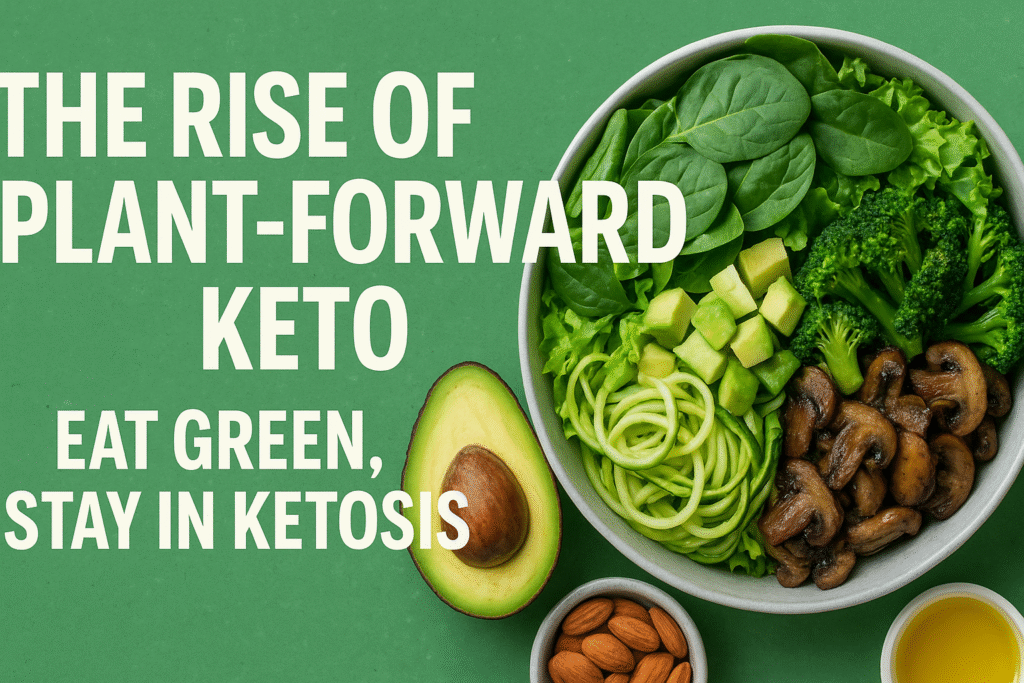
The recent years have seen an interesting development in the field of nutrition. There have been diet trends, and there have been diet trends, but the ketogenic diet has managed to garner as much long-term attention as any other diet. The keto diet is known to be a low-carb, high-fat diet that puts the body into the ketosis stage, allowing millions of people to lose weight, experience a clearer mind and even even out their energy levels. Nonetheless, there is a spin on this proven formula that is getting buzz among health enthusiasts the plant-forward keto. This will combine the advantages of two worlds the fat burning qualities of keto with the nutritioniness of plant-based diets by still keeping ketosis and incorporating more vegetables and plant-based foods in the diet.

This paper will discuss the concept of plant-forward keto, the idea, its rising popularity, and how to best apply it to live healthier and greener.
Learning the Plant-Forward Keto Concept.
The principle of the ketogenic diet is based on one simple idea: to have a significant amount of carbohydrate intake, a moderate level of protein intake, and a high fat intake. In doing so, the body gets into a metabolic condition known as ketosis whereby it utilizes fat as a source of energy, rather than sugar. Commonly, the consumption of keto foods is dominated by protein sources of animal origin, cheese, butter, and oils, with vegetables, more often than not, playing second fiddle.
The plant based keto turns this paradigm on its head. It does not pay so much attention to animal products but pays much attention to vegetables, leafy greens, nuts, seeds, and vegetable fats such as avocado, coconut oil, and olive oil. Although meat and dairy is not completely avoided, it supports other positions. This is not only better than supplementing the nutrient content of food but it also makes the diet less damaging to the environment, which is desirable among environmentalists.
The reason why Plant-Forward Keto is becoming popular.
The popularity of plant-forward keto is due to a number of factors:
Health advantages of vegetarian food: Studies have continually shown the health advantages of vegetables, legumes, and whole plant foods. They contain fiber, antioxidants, vitamins, and minerals, all of which fight against inflammation, better the health of the gut, and affect the health of the heart. These together with the fat-burning properties of keto make it an effective, as well as, nutritious diet.
Sustainable and Ethical Eating: There is a growing awareness among people on the environmental effects brought by farming of animals. Plant-forward keto is more sustainable since people do not need to compromise their ketogenic objectives by consuming animal products.
Diversity and Innovation: Sometimes traditional keto might be redundant – bacon, cheese, and cream-based meals are the order of the day. Plant-based keto also allows one to be creative in the kitchen using colorful vegetables, zucchini spiralized, cauliflower rice among other plant-based options as these make dishes look pretty and fulfilling.
Weight Control through Nutrient Density: As keto is known to be a good weight loss food, a vegan diet provides adequate vitamins and minerals that are not present in the standard keto diet. This balance aids in the health and well being in the long-term.
The Most Essential Postulates of Plant-Forward Keto.
When you want to have a keto and plant-forward, you should know the main principles:
Eat UKCarbs but Select Cautiously.
Keto is based on low carbohydrate consumption, which is usually 20-50 grams in a day. With plant-forward diet, emphasis is made on vegetables with low carbohydrates such as spinach, kale, zucchini, broccoli, and cauliflower. In moderation, berries can be used as a healthy, natural, and sweet food.
Emphasize Healthy Fats
Fat is the major source of energy. Plant-based keto focuses on the avocado, olive oil, coconut oil, nuts, and seed oils as sources of fats. Not only are these fats heart-healthy, but they also will make you feel satisfied and full.
Moderate Protein Intake
Protein is required to maintain muscles and metabolism though not too much to the point of kicking the body out of ketosis. Plant-forward keto is based on protein sources such as tofu, tempeh, seitan, eggs, and dairy and includes less meat or fish (when one wishes).
Incorporate Foods High in Fiber
The low-fiber content is one of the criticisms towards keto. Vegetables, nuts, seeds, and low-carb fruits are naturally included in a plant-forward diet, which is more fibrous and is going to help with the digestion process and satiate.
Mind Micronutrients
You will also have more chances to consume a number of vitamins, minerals, and antioxidants since it is concentrated on plant foods. It is important to make sure that you consume such foods as spinach (magnesium, iron), pumpkin seeds (zinc, magnesium), and avocado (potassium) that will satisfy your food requirements.
The Advantages of Plant-Forward Keto.
The advantages of a plant-based diet plus keto are more than just a loss in weight:
Heart Health
When the traditional keto is overly dependent on animal fats, it can lead to the concern regarding the level of cholesterol. Plant-based keto, which is abundant in unsaturated fats and fiber, can maintain the health of the heart by reducing LDL cholesterol and healthy blood pressure.
Improved Gut Health
Vegetable, nut, and seed fiber will maintain a healthy gut microbiome, enhance digestion and immunity. This is unlike the traditional keto that could cause constipation or other digestive problems since it consumes low levels of fiber.
Sustainable Weight Loss
Plant-forward keto implies fewer strategies to adhere to a diet long-term by focusing on nutrient-rich and satiating food, which allows to maintain healthy weight and avoid the tendency to lose it and gain it.
Anti-Inflammatory Benefits
Antioxidants and phytonutrients that fight inflammation are contained in plants. This can minimize the probability of chronic illnesses such as diabetes, heart disease and certain cancers.
Increased Energies and Psychological sharpness.
The body is in ketosis which means that its main source of energy is fat. In addition to numerous micronutrients of plant origin, most individuals report that they experience lasting energy levels, less brain fog, and better concentration.
Actionable Advice on how to adapt to Keto by being plant-based.
The transition to a plant-forward keto diet is not an easy task. The following are some of the steps that can be put in place to facilitate transition:
Begin with Vegetables that are favorites.
Slowly substitute large sides that contain a lot of carbohydrates such as rice, pasta, or potatoes with low-carb vegetables. Starting with roasted cauliflower, zucchini noodles and spinach, which is sauted.
Eat Sources of Plant-Based Proteins.
Add tofu, tempeh, seitan, and legumes (in small amounts) to the sources of proteins. These can be supplemented with eggs and cheese to make it more balanced.
Experiment with Fats
Replace butter and other animal fats with olive oil, coconut oil, avocardo and nut butter. This does not only make meals in accordance with keto macros, but also adds very tasty flavors.
Plan Meals Ahead
The success of keto depends on meal planning. You can keep up with things by preparing veggies and low-carb dressings, and having pre-made low-carb snacks, such as nuts and seeds.
Track Your Macros
Firstly, you should monitor carbohydrates, protein, and fat to make sure that you are in ketosis. With time, you will learn to have an intuitive feel of the portion and food options.
Get Creative with Recipes
Plant-based keto introduces new promising cuisine. Some of them include cauliflower pizza crust, zucchini lasagna, avocado chocolate mousse and spiralized veggie bowls, just to name a few.
Vegan Keto Foods Feasts.
The following is an example of what a day of plant-based keto might entail:
Breakfast:
Omelet with spinach and avocado that is cooked in olive oil.
Chia seed pudding and almond milk, several raspberries.
Lunch:
No zucchini noodle salad, avocado, cherry tomatoes and pumpkin seeds.
Tofu stir fry with bell peppers, sesame oil and broccoli.
Snack:
Mixed nuts and seeds
Celery Sticks and Almond Butter
Dinner:
Spinach, mushrooms, and vegan cheese crust pizza topped with cauliflower.
Lasagna of eggplant, ricotta and tomato sauce.
Dessert:
Chocolate avocado mousse is made keto-friendly.
Few blueberries with coconut cream.
These dishes show that plant-based keto does not imply the loss of flavor and diversity. As a matter of fact, the diet also promotes the experimentation of textures, flavors and ingredients.
Pain and Suffering and Ways to deal With It.
Plant-forward keto, just like any other diet, has its problems:
Initial Learning Curve
It is not always easy to count the number of carbs and learn about plant-based macros. Solution: Track meals with the help of apps and resources and build knowledge step by step.
Ensuring Adequate Protein
Plant proteins are able to be dilute compared to animal ones. Remedy: Have an assortment of sources, e.g. tofu and nuts or seeds to satisfy your protein requirements.
Keto Flu
The shift to ketosis may lead to headache, fatigue or irritability. Solution: Be hydrated, keep the electrolyte balance, and consume more magnesium in the form of leafy greens and nuts.
Social Situations
Eating out can be difficult. Resolution: Find vegetable based meals, ask to have something substituted, and feel no shame to discuss your needs in trying to follow a different diet.
The Future of Plant-Forward Keto.
Since health, sustainability, and nutrition awareness is increasingly becoming more popular, plant-forward keto will become more than just a niche trend. Food corporations are launching keto-friendly plant-based foods, including vegan cheese and protein powders as well as meat-free foods that fit keto macronutrients. The dietician and nutritionists are identifying its potential to give a well-balanced approach that helps in managing weight and long term health.
The nutrition is also in accordance with the international trends of vegetarian dieting, environmental awareness, and practical nutrition. Plant-forward keto presents a scientifically viable, adaptable, and tasty choice as individuals are looking to make better food choices to benefit themselves and the world.
Final Thoughts
Plant-forward keto is a change in our attitude to low-carb diets. It will also incorporate ketosis with the nutrient density and ethics of plant-based eating since it focuses on plant-based foods without sacrificing the metabolic advantages of keto diets. Plant-forward keto is a flexible, sustainable, and tasty way to go, whether it is to lose weight, gain energy, strengthen your heart and your gut, decrease your environmental footprint, or simply enjoy a delicious meal.
The benefits of this diet are that one can enjoy the transition and do it with pleasure as well as purpose with the right planning, creativity, and awareness of your macros. Emphasis on the greens, healthy fats and moderate proteins helps you not only to remain in ketosis but also to feed your body with the nutrients it requires to perform.
Well, when you want a healthier idea of keto, but you were also interested in keto, now is the right moment to let the world of plant-forward keto take over your life and go green, remain in ketosis, and have a happy experience to a more healthy and vibrant you.