
How to Start an Intermittent Fasting Diet + 10 Meal Ideas for Beginners 2026

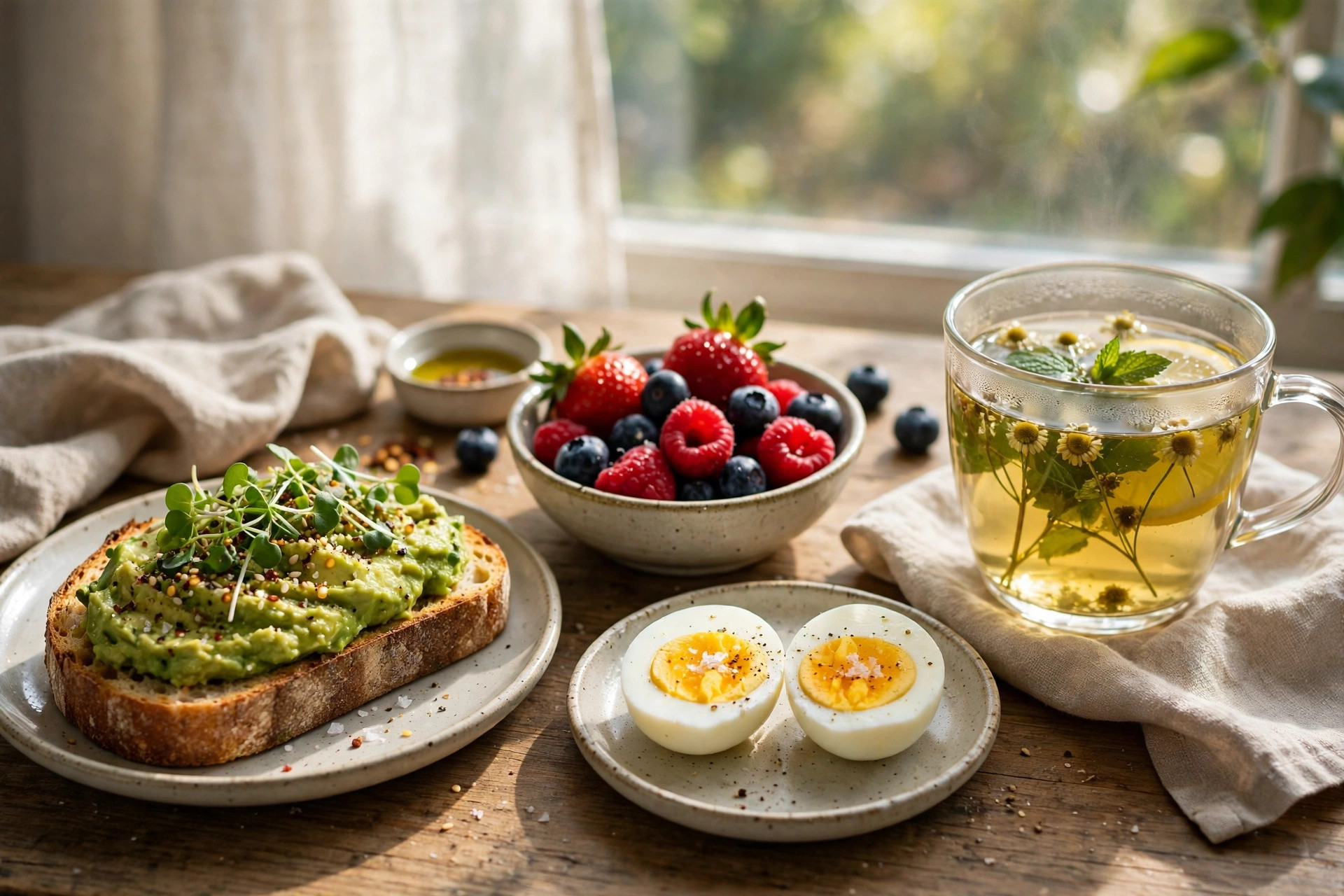
The Ultimate Guide to Starting an Intermittent Fasting Diet + 10 Meal Ideas as a Beginner.
How to Start an Intermittent Fasting Diet? Intermittent fasting (IF) is an eating pattern that has become widely talked about in recent years. Rather than setting out exactly what to eat, it sets out periods for eating and periods for not eating. This guide explains the common patterns, what people usually eat during eating windows, and 10 simple meal ideas for beginners.
Whether you are interested in planning your meals around a schedule, or simply want ideas for balanced meals, this guide gives you a starting point.
The guide covers what intermittent fasting is, how to begin, what to eat, what to avoid, and 10 easy meal ideas.
Let’s dive in.
What Is Intermittent Fasting? (Beginner-Friendly Explanation)
The intermittent fasting is not a diet.
It’s an eating schedule.
There are two periods to which you are subjected:
- Fasting window – this is the period that you do not eat.
- Eating window – when you take your meals in a normal way.
Example:
When you fast 16 hours, and eat 8 hours, that is the most popular version, which is the 16:8 method.
Or you may drink during your fasting time:
- Water
- Black coffee
- Herbal tea
- Green tea
No calories. No sugar. No milk.
Things People Often Mention About Intermittent Fasting
People try fasting patterns for many different reasons, and experiences vary a great deal. Nothing in this section is a promise of a particular result.
Weight and Appetite
Some people choose a fasting pattern as part of a wider plan for managing what they eat. Results vary from person to person, and no pattern guarantees a particular outcome.
Digestion
Some people say they feel more comfortable when their meals are spaced out; others find the opposite. Pay attention to how you feel and adjust accordingly.
Hormones
Eating patterns can affect feelings of hunger and fullness. This article makes no claim about hormone levels.
Focus
Some people report feeling more focused when they follow a schedule; others find it harder to concentrate when hungry.
Energy
Energy levels vary. Skipping meals can leave some people feeling tired, so it is worth noticing how you feel during the day.
Skin
This article makes no claim about skin appearance.
What kind of intermittent fasting is the one you should begin with?
Easiest for beginners: 12:12
- Fast for 12 hours
- Eat for 12 hours
Example:
Break at 8 PM – Break at 8 AM.
A common pattern: 16:8.
- Fast 16 hours
- Eat during an 8-hour window
Example:
Eat from 12 PM to 8 PM
For busy professionals: 14:10
A great middle option:
- Fast 14 hours
- Eat within 10 hours
Example:
10 AM to 8 PM
Which one should you pick?
Begin with 12:12 or 14:10 then progress to 16:8 after becoming accustomed to it.
The Drinks You Can Have during the Fast.
During a fasting window, people usually stick to:
- Water (best)
- Lemon water (only a few drops)
- Green tea
- Herbal tea
- Black coffee (no milk, no sugar)
- Electrolytes with no sugar.
Avoid:
- Milk
- Sugar
- Juices
- Protein shakes
- Diet soda
What You Should Eat in Your Feasting Period.
Intermittent fasting works best alongside generally balanced meals.
Focus on:
Protein
Salmon, eggs, tofu, Greek yogurt, chicken.
Healthy fats
Avocado, nuts, seeds, olive oil
Smart carbs
Oats, quinoa, fruit, sweet potatoes
Fiber
Beans, chia seeds, lentils, vegetables.
Hydration
Water, Coconut water, tea, herbal teas.
10 Meal Ideas for the Eating Window.
These are uncomplicated, quick and convenient foods that you can consume within your eating schedule.
High-Protein Omelet
- Eggs
- Spinach
- Mushrooms
- Feta cheese
- Olive oil
Exquisite as the first meal after you have broken your fast.
Greek Yogurt Energy Bowl
- Greek yogurt
- Chia seeds
- Blueberries
- Honey
- Walnuts
A protein-rich bowl with yoghurt, seeds and fruit.
Chicken & Avocado Salad
- Grilled chicken
- Avocado
- Lettuce
- Olive oil
- Lemon
- Pepper
Light but filling.
Quinoa Veggie Bowl
- Cooked quinoa
- Black beans
- Corn
- Avocado
- Cilantro
- Lime
Plant-based, nutrient-dense.
Egg Sandwich (Whole Grain) Avocado.
- Whole-grain bread
- Boiled eggs
- Avocado
- Spinach
Excellent in between eating time.
Salmon & Veggie Bowl
- Baked salmon
- Brown rice
- Broccoli
- Olive oil
A bowl with baked salmon, rice, broccoli and olive oil.
Banana Protein Smoothie
- Banana
- Protein powder
- Peanut butter
- Milk or almond milk
Great post-fast.
Chicken Wrap
- Whole-grain wrap
- Lettuce
- Chicken
- Cheese
- Hummus
Fast and tasty.
Warm Lentil Soup
- Lentils
- Tomatoes
- Spinach
- Garlic
A simple, warming lentil soup.
Dark Chocolate & Nuts Snack
- 70%+ dark chocolate
- Almonds
- Walnuts
A small snack of dark chocolate and nuts.
The Success tips in commencing intermittent fasting.
- Start slow (12:12 – 14:10 – 16:8)
- Stay hydrated
- Quickly break your fast (do not eat junk).
- Avoid sugary drinks
- Eat not less than 3 hours before going to bed.
- Remain steady (IF is best in the long-term)
The most frequent mistakes made by beginners.
- Eating too much in the period of eating.
- Breaking fast with junk food
- Consumption of calories in the fast.
- Cutting too many calories
- Ignoring thirst
- Poor sleep
Avoiding these can make the routine easier to stick with.
Contraindications of Intermittent Fasting.
Avoid IF if you are:
- Pregnant
- Breastfeeding
- Underweight
- Diabetic – talk to your doctor first
- Having eating disorders
- On certain medications
You should always ask your physician in case of doubt.
Last Reflections: Intermittent Fasting Beginner Guide.
Intermittent fasting is one way of structuring meals. It suits some people and not others, and there is no single schedule that works for everyone. Start slowly, eat balanced meals during your eating window, and pay attention to how you feel.
General information only: this article is general food information and is not medical advice. If you have a health condition, are pregnant or breastfeeding, or are considering a significant change to your eating pattern, talk to a qualified healthcare professional before making changes.