
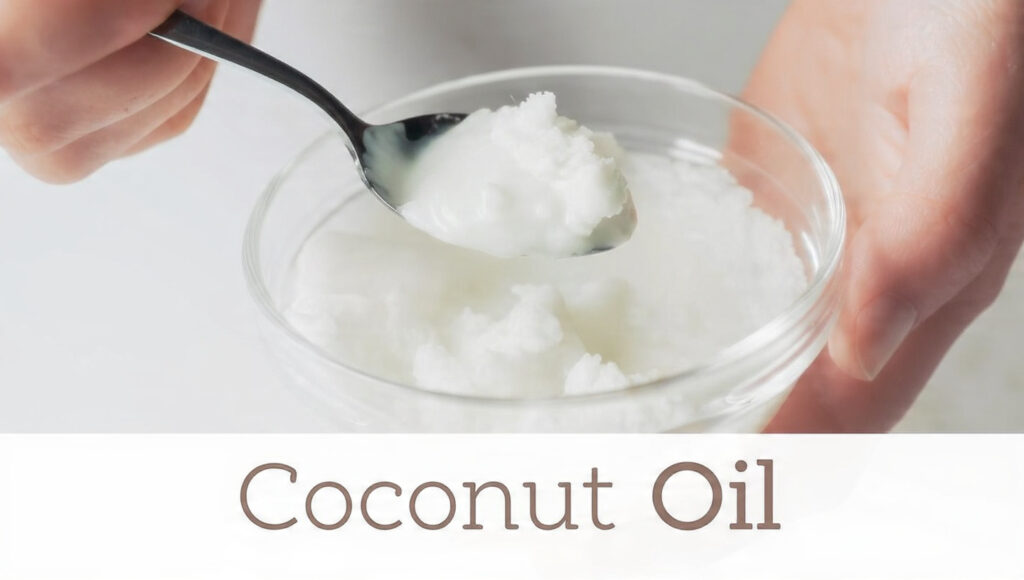
What Does Coconut Oil do to your body when you consume it every day?
In the past ten years, coconut oil has emerged as a highly discussed food, both as a so-called superfood and as a food that is rich in saturated fat. Its popularity growth was accompanied by ambitious statements: increased metabolism, improved digestion, balance of hormones, weight loss, enhanced brain activity, radiant skin, and so on.
But what is really going on in your body when you are taking coconut oil daily?
To answer that, we must consider the composition of coconut oil, its metabolism, scientific research, body response in both short and long term, and who should or should not consider it as part of his diet.
What Happens to Your Body When You Eat Coconut Oil Daily?
This article dissects the impact- good, indifferent, controversial, and possibly negative- in such a way that you now understand clearly and properly the impact of daily consumption of coconut oil to your health.
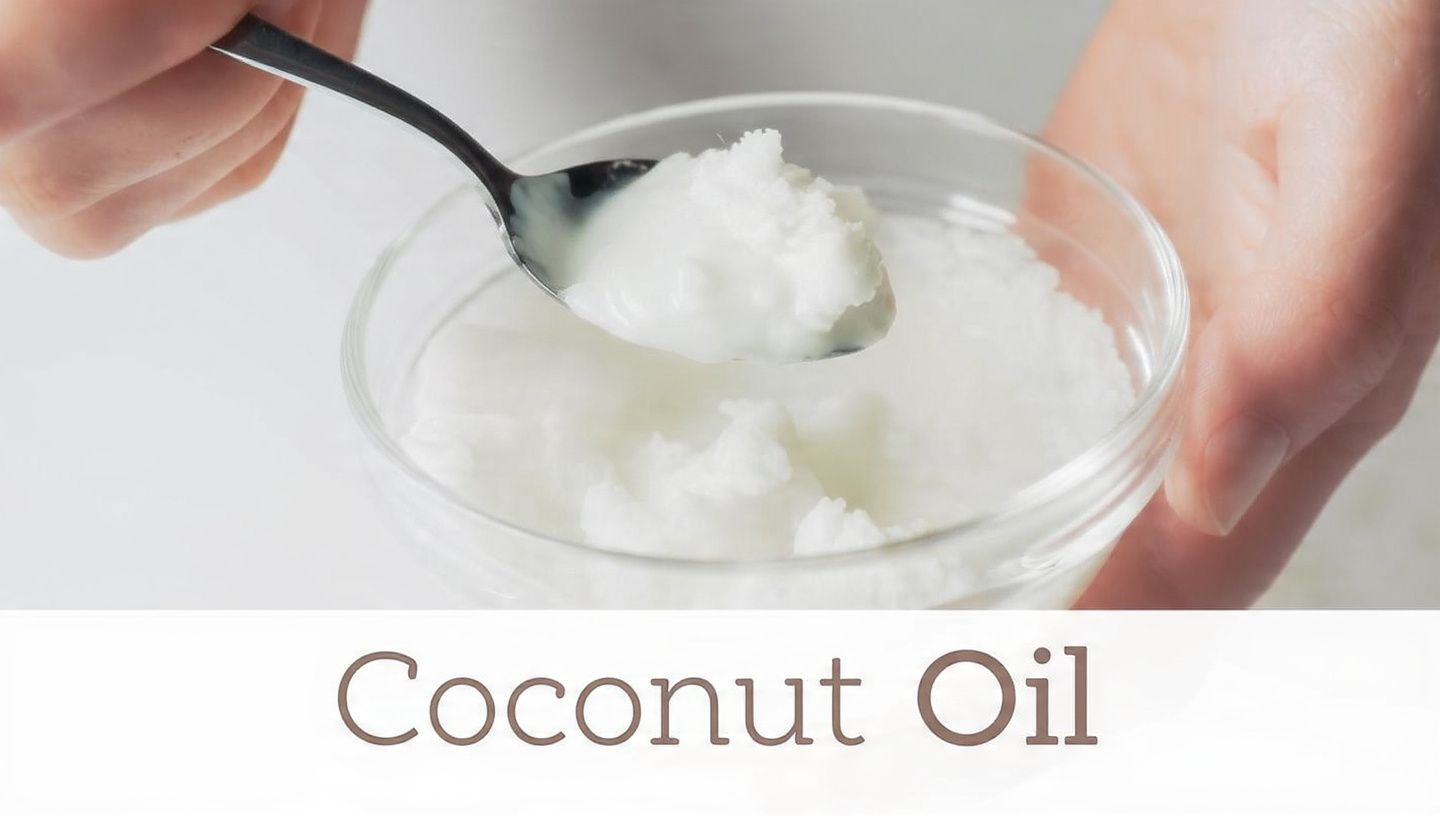
Knowing What Coconut Oil Really Is.
It is necessary to know what is in coconut oil before delving into its effects. Coconut oil is solid at room temperature unlike many other oils that are vegetarian in origin due to its saturated fat composition, which is approximately 80-90 percent saturated fat depending on the type of coconut oil.
The coconut oil contains the following fatty acids:
Lauric acid ([?]47%) – This is the major fatty acid. It is also unique in that it acts both as a medium-chain fatty acid and a long-chain fatty acid.
Caprylic and capric acids (medium-chain fats) – Compose a lesser percentage but help in the quick digestion and energy consumption.
Myristic and palmitic acids (long-chain fats) – These are common saturated fats in the animal foods.
Minor compounds – Polyphenols, vitamin E, antioxidants (more outstanding in virgin coconut oil).
The difference between Coconut Oil and other Saturated Fats.
Most of the saturated fats are long-chain triglycerides (LCTs), but coconut oil is rich in medium chain triglycerides (MCTs).
Formulations of mCTs are absorbed differently:
They go straight to the liver.
They are easily changed into power or ketones.
There is less possibility of their being accumulated as body fat.
This is one of the metabolic pathways which make coconut oil linked with more energy, thermogenesis, and ketogenic action.
What Occurs Directly after the consumption of Coconut oil.
There are a number of physiological reactions that happen almost immediately when you consume coconut oil.
2.1. Faster digestion and fast release of energy.
The MCTs of coconut oil do not go through the normal fat-digestion processes. They require:
No bile salts
Reduced activity of the pancreatic enzymes.
Reduced time in the intestinal tract.
This is the fast absorption rate and this is why many people experience a fast rise in energy levels 30-60 minutes after taking coconut oil.
2.2 Minor increase in body temperature.
MCTs increase the heat production to some extent. This can:
Make you feel warmer
Raise the calorie expenditure slightly.
Perhaps, temporarily suppress the appetite.
This is a thermogenic effect that is one of the reasons why coconut oil became a topic of weight-loss talks (more on that later).
2.3 A potential laxative effect
Coconut oil may in particularly in large quantities when taken on an empty stomach or in large quantities:
Speed up gut motility
Trigger bowel movements
Bring about cramping or looseness of stool.
This occurs more among individuals not accustomed to MCTs.
What Will Happen to You When You Eat Coconut Oil Everyday.
This is where the big picture comes in. The daily consumption causes cumulative effects, some of which are good, others are controversial, and others depend on the quantity that is taken.
Positive Effects Generally Reported or Evidence-based.
Energizes and boosts Metabolism.
MCTs in coconut oil are common in the fitness circles and the ketogenic diets as they are:
They increase the ketones to some extent.
They are a source of quick energy particularly to the brain and muscles.
They are not stored in the body, but rather burnt.
Metabolism Boost
Coconut oil (taken every day) can modestly raise:
resting energy expenditure
fat oxidation
total daily calorie burn
The effects of this are controversial in studies, but individuals tend to experience:
more sustained energy
fewer energy crashes
more convenient time fasting or eating between meals.
The impact is greater when the other fats are substituted instead of the extra calories.
May Support Brain and Ketosis.
Since MCTs may be transformed into ketones, coconut oil may be used to sustain:
mental clarity
focus
sustained cognitive energy
This is especially true for:
individuals that use low-carb or ketogenic diets.
those who take coconut or MCT oil as a supplement to the brain fuel.
Others complain of less brain fog and enhanced cognitive ability when taking coconut oil every day.
May Enhance Stomach and Intestines.
The moderate daily consumption of coconut oil is deemed to be of help to people in:
regular bowel movements
reduced bloating
improved intake of fat soluble vitamins.
anti microbial effects of the gut.
Why?
Lauric acid is anti-microbial and has the ability to inhibit some harmful bacteria.
Coconut oil has the ability to lubricate the digestive tract.
Microbiome can change slightly to favorable species.
But excess of it gives the reverse effect.
Can Benefit Skin and Hair (Inside) Health.
Even when ingested, not applied only, coconut oil can:
enhance skin hydration through building the skin barrier.
improve the flakiness and dryness.
get shiny and textured hair.
help in making the nails healthier.
This is partly due to:
better fat intake
enhanced the absorption of fat soluble nutrients.
anti-inflammatory effect of other fatty acids.
The effects of the benefits are most evident when one has been taking little fat that is considered healthy.
Possible Immunomodulatory Effects.
Due to the fact that lauric acid is changed to monolaurin, which is antimicrobial, coconut oil can:
support your immune system
diminish the burden of some of the pathogens (bacteria, fungi, viruses)
regulate oral and gut microorganisms.
These properties make coconut oil (or oil pulling) used by many people to take care of the oral health.
Hormonal Support of part of the people.
Generally, healthy fats are involved in the production of hormones. Taking coconut oil every day can help:
stabilize blood sugar
support adrenal function
enhance the symptoms of hormonal imbalance.
Others have also claimed an improvement in PMS symptoms, energy levels or thyroid functioning but these are not universal claims.
Neutral or Mixed Effects
Possible Effects of Losing Weight – Not Assured.
Coconut oil was previously forcefully sold as a weight-loss miracle. The reality is more nuanced.
Intervention effects that may be supportive:
Difficulty in eating (in the morning, in particular)
Increased thermogenesis
Better satiety after meals
Less cravings with low-carb diets.
But…
Coconut oil:
has an exceptionally high calorie content (120 calories per tablespoon)
can cause weight gain when merely augmented to a high-calorie diet.
is not equal to pure MCT oil that possesses more significant metabolic effects.
The weight loss will only take place when coconut oil takes over the other fats- not when it is an extra source of calories.
It has complicated effects on Cholesterol Levels.
This is the most debated area.
The general findings of research:
Coconut oil is capable of raising the HDL (good) cholesterol.
It also tends to elevate LDL bad cholesterol- however not as much as butter.
It can have some effect on inflammatory indicators.
There is a tendency to increase total cholesterol.
Therefore, the effects on the heart health are dependent on:
how much you eat
your genetics
what fats you substitute in your diet.
your general food habit.
Moderate use will tend to have no effect on a healthy person but those with cholesterol issues should consult a medical professional.
Possible Adverse Impact of Daily Coconut Oil.
Digestive Distress
The common side effects of taking daily include:
diarrhea
stomach cramping
nausea
oily stools
heartburn
This is particularly prevalent in the situations when:
taking above 1-2 tablespoons/day
consuming coconut oil without any food before it.
excessive consumption that is rapid.
Possible Weight Gain
Although it is a trendy oil, coconut oil remains a saturated fat and is a high-calorie oil. When you put it over an already balanced diet, you are likely to gain weight.
Potential Increase in LDL Cholesterol among Individuals.
There are hyper-responders to saturated fat. In such instances daily coconut oil can:
have a strong effect of increasing LDL cholesterol.
increase total cholesterol
has adverse impact on lipid markers.
It does not happen to all, but it is good to know about it.
Risk of Excessive Consumption of Saturated Fat.
The health organizations usually recommend moderate consumption of saturated fats. Taking coconut oil in several tablespoons per day can cause intake to go above suggested limits – particularly when taking other foods:
high-fat meats
dairy
processed foods
Balance is important.
What is the Maximum Safe or Healthy Dose of Coconut oil per day?
No single rule of thumb, but average doses with which most individuals can easily get by with, and that can prove effective, are:
1/ 2 to 1 tablespoon/ day in the beginning.
1-2 tablespoons daily among normal users.
Maximum of 3 tablespoons daily in case of individuals under low-carb or ketogenic diets (observing how you feel)
It would be better to begin with 1 teaspoon per day and go up.
Top 10 Ideas on how to use coconut oil in your diet.
In coffee (“bulletproof” style)
Gives long lasting morning power.
For sauteing or stir-frying
Coconut oil contains a large amount of smoke point.
In smoothies
Helps dissociates well and enhances creaminess.
Substitute of butter or other oils.
Bakes and does curries well.
In soups
Adds healthy fats and flavor.
Who can be the greatest beneficiary of the Daily Coconut oil?
People that follow ketogenic or low-carb diets.
People needing quick energy
Individuals with a problem in the absorption of fat-soluble vitamins.
Individuals who wish to have a better skin or digestive support.
Those that do not consume dairy fats.
Individuals that require higher energy and desire a healthier source of fats.
Who Should Be More Cautious?
Individuals that have elevated LDL cholesterol.
Patients who have been removed of their gallbladder or those with problems with the bile.
Persons liable to digestive upsets.
Individuals that have a large intake of other saturated fats.
Any person who has a history of heart disease personally or in his or her family.
The important ones are moderation and monitoring.
Virgin vs. Refined Coconut Oil: Which one is better?
Virgin Coconut Oil (VCO):
Cold-pressed
Richer in antioxidants
Stronger coconut flavor
Health benefits preferred.
Refined Coconut Oil:
Neutral taste
Higher smoke point
Fewer antioxidants
Better for high-heat cooking
Virgin coconut oil is the favorite of most people to be used in everyday life.
Long-term consequences of daily Coconut oil intake.
The effects of coconut oil would be more predictable and recognizable when taken regularly throughout months or even years. The following are common complaints of long term users:
Positive Long-Term Effects
More proper skin coloring and wetness.
Better bowel movements regularity.
Reliable source of energy
The decrease in the number of cravings and snacking.
Improved hormonal balance
Enhanced mental clarity
Neutral or Variable Effects
Mild weight loss or no change
Slight increase in HDL
Minor elevation of LDL (differs)
Possible Adverse Long-term Impact.
High levels of LDL cholesterol to others.
Dependency on bowel movements (excessively)
Excess calorie intake
Some people lose their digestive tolerance.
The long term result greatly depends on:
the dose
overall diet
genetic predispositions
personal response to metabolism.
Coconut Oil vs. MCT Oil: Not to Be Confused.
Despite the fact that coconut oil has MCTs, it is not comparable to pure MCT oil.
Coconut Oil:
Contains ~15% true MCTs
Fatty with a lot of lauric acid (acts like some long-chain fat)
Unless it is MCT oil, slower metabolism.
More antioxidants
MCT Oil:
100% caprylic and capric acids
Much faster energy
Stronger metabolic effect
More apt to bring about digestive upsets.
If your goal is:
energy
ketones
sharper focus
MCT oil is stronger. If your goal is:
overall well-being
skin health
moderate metabolic support
Coconut oil is enough.
What Exactly Does happen to your body when you eat Coconut oil every day?
Overall, the daily use of coconut oil can cause:
Positive Effects
Metabolic and increased energy.
Improved digestion for some
Better skin and hair health
Mild appetite suppression
Enhanced cognitive clarity
Immune support
Higher HDL cholesterol
Neutral/Mixed Effects
The changes in weight are dependent on general diet.
The levels of cholesterol differ with genetics.
There are individuals who do not realize any considerable metabolic alteration.
Potential Negative Effects
Gastroenterological issues (bloating, diarrhea, cramping)
Raised LDL cholesterol of the susceptible people.
Excessive consumption causes weight gain.
Excessive intake of saturated fat.
Final Thoughts
Coconut oil may be a helpful supplement to your diet–but it is not a wonder-working drug, and not all people can use it. The impacts are very diverse depending on the individuals because of genetic factors, life style, and diet.
In case you love the coconut oil and feel better when using it in moderation, it can:
boost your energy
support digestion
improve skin health
provide a yummy taste to foods.
However it should be included in a balanced diet and not a dominant one like any other source of fats.
The secrets of safe and effective use of coconut oil are moderation, mindfulness and listening to the signals of your body.