
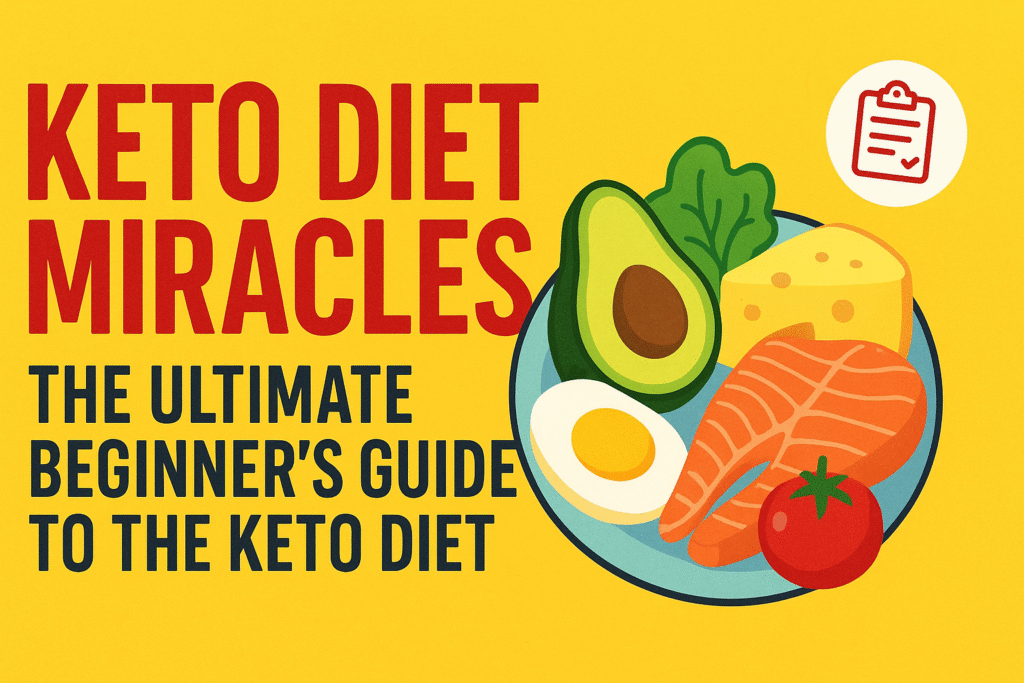
The Keto Diet: The Ultimate Guide to Becoming a Beginner.
Keto Diet has seen enormous popularity among the diets over the last several years, and thousands of individuals resort to it to lose weight, gain more energy, and become healthier. However, when you are new to Keto, the information available on the Internet can be overwhelming. We will take you through it all, including the definition of the Keto Diet, how it functions, the pros of the diet, the pitfalls to avoid, and even the sample meal plans to help you start out.

What is the Keto Diet?
The Ketogenic Diet is also known as the Keto Diet; it is a low-carb, high-fat diet designed to put your body in a metabolic condition known as ketosis. When on ketosis, your body ceases to use carbohydrates as a source of energy and begins to use fat instead.
The average Keto diet is made up of:
High fat: 70-80% of all your daily calories are in the form of fats (avocado, olive oil, butter, nuts and seeds).
Moderate protein: 20-25 percent of all calorie derived on meat, poultry, eggs and fish.
Very low carbs: 5-10-percent of vegetable and little grains or sugar calories.
Reducing the amount of carbs to almost a zero and raising the amount of fats, your body stops depending on glucose (sugar) as the main energy source and switches to ketones (generated due to the breakdown of fats). This is a metabolic change that can be used to lose weight, sharpen the mind, and even manage the blood sugar level.
How Does Keto Work?
Eating the normal diet with high carbs, the body will use carbohydrates to form glucose which will be used up as energy. The glucose which is formed in excess is stored in form of glycogen in your liver and muscles. When the stores of glycogen are saturated, the body still stores the surplus glucose as fat.
On a Keto diet, however:
Low carb intake: You significantly decrease the amount of carbohydrates in your diet, and this reduces the level of blood glucose.
Ketosis kicks off: As glucose becomes pure in short supply, your liver breaks down fats in order to generate some ketones to be used as an energy source.
Fat burning mode: Your body becomes efficient in burning the stored fat and can make you lose weight.
Constant energy: The lack of fluctuations in blood sugar allows you to have a more focused day and to be more active.
It is also observed that many individuals feel hungrier less often on Keto due to the satiating effect of high-fat diets: these food items make them feel fuller longer.
Benefits of the Keto Diet
The Keto Diet has many advantages other than weight loss. The beginners should expect the following:
Effective Weight Loss
Keto is very efficient in fat loss, and it works particularly in the abdominal region. Since your organism uses fat as a source of energy, you are going to burn the stored fat more effectively in comparison with traditional low-fat diet.
Vitalized Energy and Sharpened Mind.
A stable source of energy is ketones. Better focus and attention and long-lasting energy are just a few of the many reports of people not experiencing sugar crashes due to high-carb diets.
Reduced Hunger and Cravings
Foods with a lot of fat will leave one satisfied. Consumption of fats and proteins will make you full and hence you will not want to snack and overeat.
Better Blood Sugar Control
Keto may be useful in stabilizing insulin levels, which is useful to individuals with type 2 diabetes or prediabetes. Stable energy levels in the day are observed by many people.
Heart and Metabolic Health
Keto could help to improve the level of cholesterol and triglycerides when properly observed, which contributes to heart health. It can also decrease inflammation and promote metabolism.
How to Start the Keto Diet
Keto is an overwhelming experience to start with, but it is easier to make it a series of simple steps:
Step 1: Understand Your Macros
Fat: 70-80% of calories
Protein: 20-25% of calories
Carbs: 5-10% of calories
Estimate the amount of calories you should consume every day using a Keto calculator, using your weight, age, and objectives.
Step 2: Stock Your Kitchen
Focus on Keto-friendly foods:
Proteins: fish, beef, eggs, chicken.
Fats Avocado, olive oil, coconut oil, butter.
Low- carbs of vegetables Spinach, broccoli, zucchini, cauliflower.
Snacks: Nuts, seeds, cheese
Eat low-carb foods: vegetables, meat, eggs, poultry, fish, and vegetables.
Step 3: Plan Your Meals
The important thing to the beginner is to plan ahead. Eat simple breakfast, lunch, and dinner and take snacks such as nuts or cheese in between.
Step 4: Monitor Your Progress
Urine strips or blood meter can be used to measure the levels of ketones. Weight, energy and mental clarity also serve to measure progress to many beginners.
The most common Keto Diet Mistakes.
Mistakes can be made even by the care of beginners. The following are the most pitfalls:
Eating Too Many Carbs
The smallest portions of bread, pasta, or sweets can get you out of ketosis.
Not Drinking Enough Water
Keto is diuretic in nature and may cause dehydration and electrolyte imbalance.
Neglecting Electrolytes
The essentials on the Keto diet include sodium, potassium, and magnesium. Foods such as leafy greens, nuts, and avocado or supplements should be used.
Overconsuming Protein
Excess protein may be turned into glucose and inhibit ketosis.
Desires Quickly the Reports.
Depending on certain factors, it may take 2-4 weeks to become used to using your body to burn fat.
Sample Keto Meal Plans
The following is a basic example of a Keto diet in 1-day:
Breakfast
Scrambled butter-cooked eggs.
Sauteed spinach
Half an avocado
Lunch
Feta cheese and olive oil chicken salad.
Cucumbers tomatoes, leafy vegetables
Handful of nuts for extra fat
Snack
Cheese cubes or boiled eggs
5-10 almonds
Dinner
Lemon and herb baked salmon.
Olivia oil and broccoli roasted.
Zucchini noodles with pesto
Optional Dessert
Almond flour and sweetener keto chocolate mug cake.
Tips for Success on Keto
Prepare in advance: With meal prep, it is so much easier to keep track.
Always have some snacks on hand: Boiled eggs, nuts, cheese, etc. will stop your craving.
Monitor your macronutrients: Some of these are Carb Manager or MyFitnessPal.
Be patient: The body requires time to adjust to the use of fat as a body fuel.
Keep hydrated: take a lot of water and supplement it with electrolytes.