
Keto Diet for Beginners: A Simple Guide

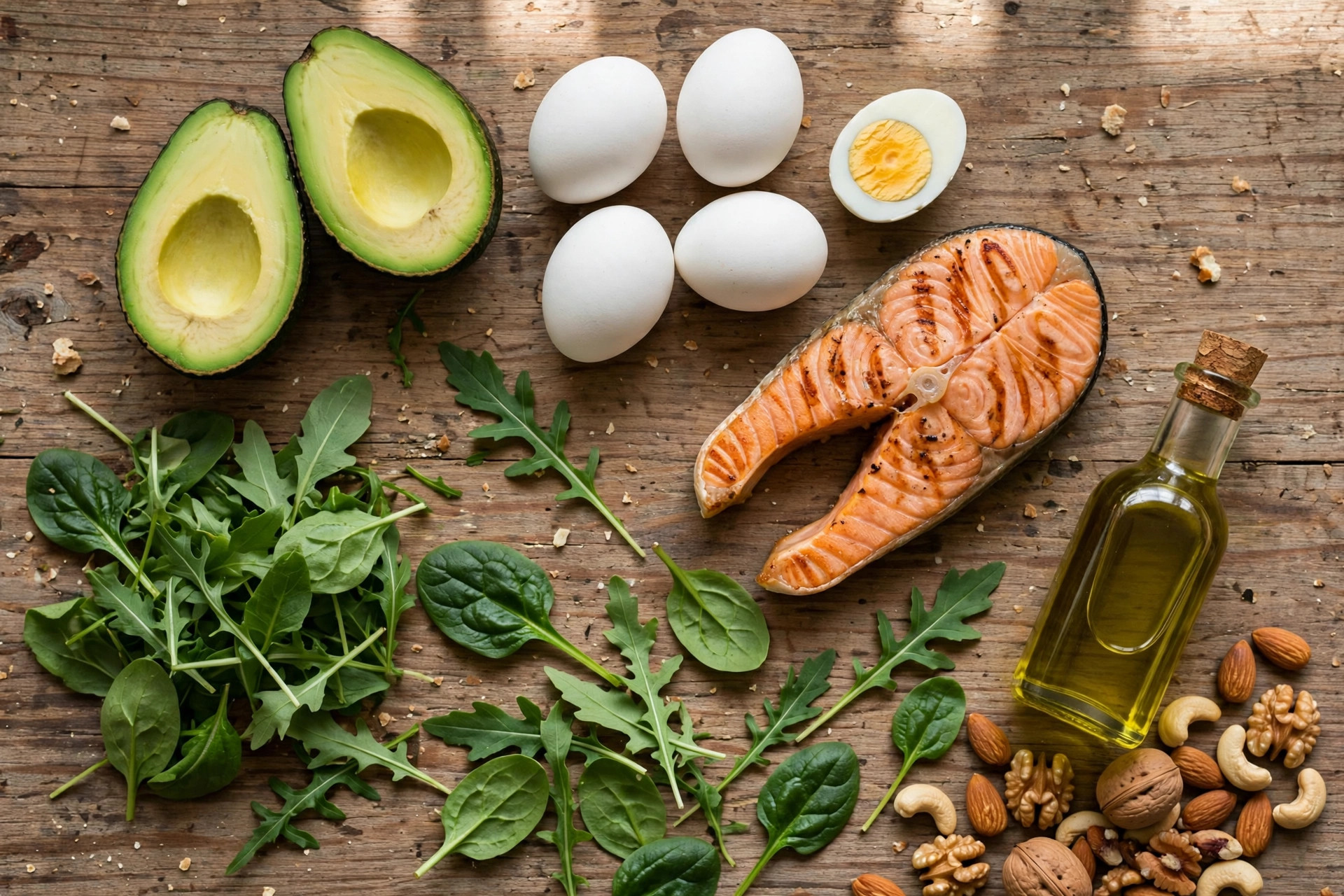
Keto-style eating is a way of planning meals that has become widely talked about in recent years, and it can look confusing from the outside: new terms, new shopping lists and strong opinions about what belongs on the plate. This guide explains, in plain terms, what the approach generally involves, which foods people commonly choose, how a typical day of meals is put together, and how a beginner can try it in the kitchen without overcomplicating things. It is a guide to cooking and meal planning, not a programme with promised results, and it does not claim any particular outcome for the reader.
What keto-style eating means
In general terms, keto-style eating is a low-carbohydrate, higher-fat way of eating. Where a typical mixed diet gets a large share of its energy from carbohydrate foods such as bread, rice, pasta and potatoes, a keto-style pattern keeps those foods to a small amount and instead builds meals around fat-rich foods, protein foods and low-carbohydrate vegetables.
Most guides describe the pattern in roughly these proportions: around 70 to 80 per cent of daily energy from fat, around 20 to 25 per cent from protein, and around 5 to 10 per cent from carbohydrate. These are guide figures used to describe the pattern, not rules that every meal must meet exactly, and different guides and cookbooks vary in the figures they use. The word ketogenic comes from ketosis, the name given to the state in which, with very little carbohydrate coming in, the body relies mainly on fat as a fuel source rather than on glucose from carbohydrate. This guide uses the looser term keto-style eating, because most home cooks follow the general pattern rather than measuring anything precisely.
It helps to think of it as a pattern for choosing foods, not as a single diet with one fixed menu. Two people can both eat in a keto style and still eat quite differently: one may cook mostly with olive oil, fish and salads, while another may lean more on butter, cheese and eggs. The common thread is the same: carbohydrate foods are kept low, and meals are built from the food groups described below.
Foods people commonly choose
The foods below are the ones that appear most often in keto-style cooking. They are listed so a beginner knows what to look for in the shops, not as a prescription.
Protein foods: meat such as beef, lamb and pork; poultry such as chicken and turkey; fish such as salmon, mackerel and sardines; shellfish such as prawns; and eggs. These are often the centre of a meal, served with vegetables and a fat-rich sauce or dressing.
Fats and oils: olive oil, coconut oil, butter, ghee, avocado oil and other cooking oils. These are used for frying, roasting and dressing, and they also appear in foods such as mayonnaise, olives and avocados.
Low-carbohydrate vegetables: leafy greens such as spinach, lettuce and kale; broccoli, cauliflower and cabbage; courgettes, green beans, mushrooms, peppers and aubergine. These are usually served in generous portions alongside the main part of the meal.
Dairy and other everyday foods: cheese, cream, full-fat yoghurt and butter are all common in keto-style cooking. Nuts and seeds, such as almonds, walnuts, hazelnuts, pumpkin seeds and chia seeds, are often used for snacks, toppings and baking. Herbs, spices, garlic, lemon juice, vinegar and mustard add flavour without adding carbohydrate foods to the plate.
Foods usually kept to a minimum
On the other side of the pattern, the foods people following a keto-style approach usually keep to a minimum are the starchy and sugary ones: bread, rolls and wraps; rice, pasta and noodles; potatoes and other starchy roots; breakfast cereals and porridge oats; cakes, biscuits and pastries; sweets and chocolate with added sugar; sugary drinks, fruit juice and sweetened coffees; and beer and sweet wines. Most fruit is also kept low, because fruit contains natural sugars, although small portions of berries, such as raspberries, strawberries and blackberries, are the ones most often included.
It is worth checking sauces and ready-made foods, because carbohydrate can hide in them: sweet chilli sauce, barbecue sauce, ketchup, some salad dressings and many marinades contain added sugar. Reading the label and looking at the carbohydrate figure per serving is the simplest way to judge a product, and it quickly becomes a habit.
How a typical day of meals is structured
A keto-style day usually follows the same shape as any other day of eating: breakfast, lunch and dinner, with a snack if wanted. The difference is in what fills each plate.
Breakfast: scrambled eggs cooked in butter with sauteed spinach and half an avocado; or full-fat yoghurt with a small handful of berries and a spoonful of seeds; or an omelette with cheese, mushrooms and herbs.
Lunch: a chicken salad with olive oil dressing, cucumber, tomatoes and leafy greens, plus a handful of nuts; or a tuna salad with mayonnaise, celery and lettuce leaves for wrapping; or a bowl of vegetable soup made with low-carbohydrate vegetables and served with cheese.
Dinner: lemon and herb baked salmon with roasted broccoli and courgette noodles with pesto; or a pork chop with cauliflower mash and green beans in butter; or a beef stir-fry with peppers, mushrooms and cabbage instead of rice or noodles.
Snacks, when wanted, tend to be simple: cheese cubes, a boiled egg, a small handful of almonds, olives, or celery sticks with a soft cheese dip. Drinks are usually water, sparkling water, tea and coffee, with milk kept to small amounts and sugary drinks left out.
Getting started, step by step
Step 1: Stock the kitchen. Before the first week, it helps to have the basics in place: cooking oils and butter, eggs, a selection of low-carbohydrate vegetables, cheese, nuts and seeds, herbs and spices, and a few tins such as tuna and chopped tomatoes. With those in the cupboard, a simple meal is always possible, and there is less temptation to fall back on bread or pasta out of convenience.
Step 2: Plan a week, loosely. Planning does not mean cooking every meal in advance. It means deciding, roughly, what dinner will be on each night, so the shopping list writes itself. Beginners often find it easiest to repeat a small set of meals they already know how to cook, and to add one new recipe a week rather than trying seven unfamiliar dishes at once.
Step 3: Keep the first meals simple. A piece of meat or fish, a pan of vegetables and a sauce or dressing is a complete keto-style meal. There is no need for special baking, complicated substitutes or expensive ingredients in the first weeks. Cauliflower rice, courgette noodles and almond-flour baking are useful later, but they are optional extras, not requirements.
Step 4: Read labels for a while. Checking the carbohydrate content of sauces, yoghurts, nut butters and ready meals soon teaches which products fit the pattern and which do not. After a few weeks, most people know their regular products by heart and no longer need to check every label.
Step 5: Plan for eating out and busy days. When eating out, a grilled main course with salad or vegetables, and a sauce served on the side, is usually the simplest choice. On busy days, a boiled egg, a piece of cheese or a handful of nuts kept at home or at work can fill a gap until a proper meal is possible.
A simple three-day sample plan
The plan below is an example of how the pattern can look in practice. It is not a menu to follow exactly, and portions can be adjusted to appetite and to what is in season.
Day one: breakfast of scrambled eggs with spinach; lunch of chicken salad with olive oil dressing; dinner of baked salmon with roasted broccoli.
Day two: breakfast of full-fat yoghurt with raspberries and seeds; lunch of tuna and egg salad in lettuce leaves; dinner of beef stir-fry with peppers, mushrooms and cabbage.
Day three: breakfast of an omelette with cheese and mushrooms; lunch of vegetable soup with grated cheese; dinner of roast chicken thighs with cauliflower mash and green beans.
Notice that each day uses ordinary cooking methods — scrambling, roasting, grilling and stir-frying — and that vegetables appear at every meal. That is the practical heart of the pattern: a protein food, vegetables, and a fat-rich element, put together in different combinations.
Common beginner mistakes
Eating hidden carbohydrate. The most common slip is not the obvious bread or pasta, but sugar in sauces, dressings and drinks. A sweet sauce can add more carbohydrate than the rest of the meal, so checking labels matters, especially at the start.
Making every meal complicated. Trying to recreate bread, pizza and cakes in low-carbohydrate form every day is tiring and often disappointing. Simple meals cooked well are easier to keep up and usually taste better.
Leaving out vegetables. It is easy, when focusing on fat and protein, to let vegetables slide. Keeping vegetables on the plate at lunch and dinner adds variety, colour and bulk to meals, and makes the pattern far more interesting to cook.
Having no plan for busy days. Without a plan, a busy evening often ends with whatever is quickest, which is usually a carbohydrate food. A short list of five or six standby meals, and a few simple snacks at home, prevents most of these moments.
Expecting perfection. A meal that does not fit the pattern is not a failure of the whole approach. Beginners usually find it more useful to return to the pattern at the next meal and to think about what would make the next busy day easier, rather than trying to be exact from day one.
Practical tips for the first month
Cook once, eat twice: roast a tray of chicken thighs or a joint of meat, and use the leftovers the next day in a salad or soup. Batch cooking in this way saves time and keeps a keto-style option ready in the fridge.
Keep seasonings varied: the same chicken and vegetables taste different with lemon and herbs one night, with curry spices another, and with garlic and chilli a third time. A small collection of dried herbs and spices goes a long way.
Try one new ingredient a week: one week it might be aubergine, another week halloumi, another week a new herb. Building familiarity slowly is more enjoyable than overhauling the whole kitchen at once.
Drink water through the day and keep meals regular: many beginners find it helps to eat at roughly the same times each day while they are learning the pattern, rather than skipping meals and then feeling unprepared at dinner time.
Keep notes on what works: a short list of meals that were easy, filling and enjoyable is worth more than a long list of recipes never tried. After a month, most beginners have a personal set of ten or so meals they can cook without thinking.
Please note: this article is general food information only and is not medical advice. It describes a way of eating in general terms and makes no promise about any outcome. Readers with a health condition, readers who are pregnant, and readers considering a significant change to their diet should talk to a qualified healthcare professional before making changes.