
Plant‑Forward Keto: The Future of Low‑Carb Eating Everyone’s Talking About

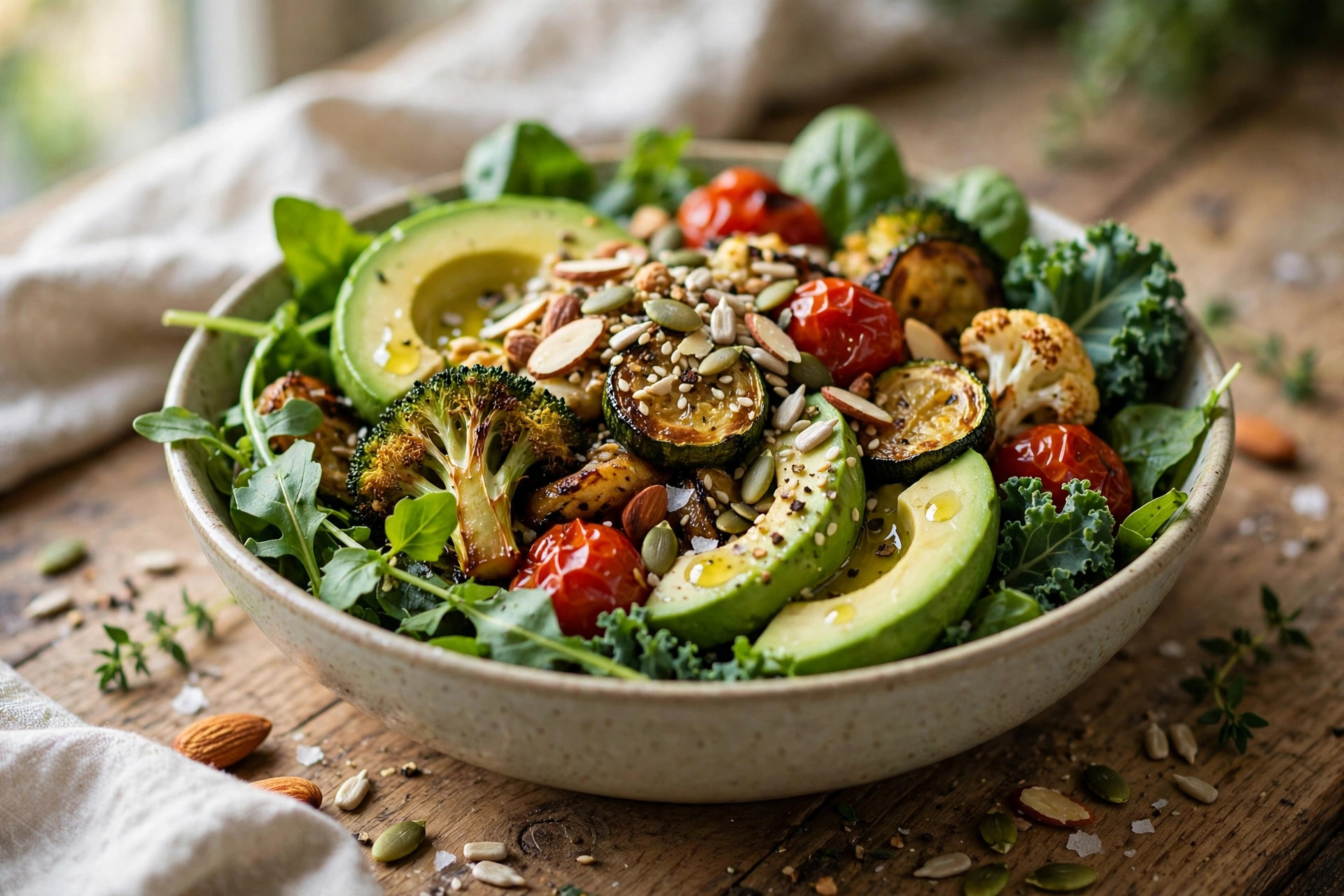
Within the dieting community, one diet has gained more attention than any other in the recent past: the ketogenic diet. Keto is a very low-carb, high-fat style of eating. However, traditional keto has also been criticised, both for its heavy use of meat and animal fats, and for its low intake of plants and fibre.
Plant-Forward Keto is a low-carb, high-fat approach that puts plants at the centre of the plate while keeping the low-carb structure of keto. Today we shall learn about what plant-forward keto is, why it is gaining traction, its working principles, how it can be applied, sample meals, and the most important tips and considerations.
What is Plant-Forward Keto?
In essence, it combines the structure of keto (low carb, moderate protein, higher fat) with a deep focus on plant-based foods: vegetables, low-carb fruits, nuts, seeds, plant oils, and whole-food ingredients. It acknowledges that you do not need to fill your plate with bacon and cheese to eat low-carb; instead, it is possible to build a menu that is largely plant-based while keeping carbs low and fats high.
Plant-Forward Keto by Liz MacDowell is one well-known example in this field, as it describes precisely that: keep plant foods as the main ingredient, introduce moderate amounts of animal protein when you feel like it, and make the lifestyle sustainable. (PenguinRandomhouse.com)
To the point: Plant-Forward Keto = keto structure + plant-focused eating.
What is the reason Plant-Forward Keto is Trending?
This variation is becoming popular for a number of reasons:
Health and sustainability consciousness. Much of the discussion around traditional keto concerns the long-term effects of high saturated fat intake, and the environmental and ethical consequences of consuming a lot of meat. Plant-Forward Keto addresses this by prioritising plants.
Digestive comfort and fibre. Conventional keto may be low in fibre, due to an overdependence on meat, eggs, cheese and butter. Plant-Forward Keto provides an opportunity to include more low-carb vegetables and plant foods with a higher amount of fibre.
Flexibility in hybrid diets. Individuals do not necessarily desire to make the switch to all-vegan or entirely meat-based keto. Plant-Forward Keto provides a compromise: it is possible to eat mostly plant-based with the freedom to consume small amounts of animal protein.
The contemporary low-carb diet. Due to the maturation of the low-carb movement, there is increasing interest not just in avoiding carbs, but also in improving the quality of nutrients, giving food a whole-plant-based emphasis, and making the diet sustainable in the long term.
Recipe innovation. There are more varied and tasty plant-based, low-carb meals available than ever.
How Does It Work?
Not everyone wants to be vegetarian, but the principles behind Plant-Forward Keto can be applied by anyone. The positive thing is that you do not really need to overhaul everything at once.
Carbohydrate Limitation
You continue to keep carbohydrate levels low, as in keto-style eating.
Healthy Fats Emphasis
Fat is a primary energy source in keto, but in the plant-forward version you focus on plant fats: olive oil, avocado oil, nuts, seeds and avocado.
Protein – Moderate and Plant-Rich
Traditional keto often focuses on moderate-to-high protein of animal origin, whereas Plant-Forward Keto draws protein from a wider mix, including tofu, tempeh, eggs, dairy (if you eat it) and plant proteins.
Plants are central
Your meals are based on vegetables and low-carb fruits: leafy greens, cruciferous vegetables, zucchini, cauliflower, mushrooms, peppers and salads.
Flexibility and Sustainability
This is not “all or nothing”. Plant-Forward Keto is designed to be more flexible, which many people find easier to maintain.
Sample Meals and Structure
The following are some real-life examples you can use or adapt:
Breakfast
Spinach and mushroom sauteed tofu with avocado, olive oil and nutritional yeast.
Coconut milk chia-seed pudding topped with a small amount of raspberries and chopped pistachios.
Green smoothie: kale, spinach, half an avocado, unsweetened almond milk and ice.
Lunch
Zucchini noodle salad with olive oil, lemon, chopped olives and roasted vegetables.
Cauliflower rice bowl: sauteed cauliflower, broccoli florets, roasted red pepper, edamame and pumpkin seeds.
Green salad: kale, arugula, red cabbage, cucumber, tomatoes, a small amount of cherry tomatoes, avocado and a lemon-olive oil dressing.
Dinner
Eggplant-mushroom skillet: sliced eggplant, mushrooms, garlic, a small amount of cherry tomatoes and spinach.
Stuffed peppers: bell pepper halves stuffed with cauliflower rice, chopped walnuts and spinach.
Vegetable curry: coconut-based curry sauce (coconut milk, turmeric, cumin, coriander) with mixed vegetables and cauliflower rice.
Snacks and Treats
Celery sticks with almond butter.
Olives and roasted almonds.
Berries with cream or coconut cream.
Crispy kale chips with nutritional yeast.
Muffins made with coconut flour, eggs or flax-egg, unsweetened cocoa and stevia or monk fruit.
Pros and Possible Pitfalls
Benefits
More nutrient-dense meals: more plants provide more vitamins, minerals and fibre.
More fibre and vegetable variety in the diet.
Potentially more sustainable: easier to maintain for some people, and less meat-heavy.
Vegetarian-friendly for people who prefer not to consume meat or animal fat daily.
Promotes whole foods: fewer processed keto snack bars, more real food.
Challenges and Considerations
When eating more plant foods, it can be difficult to maintain a low carbohydrate intake: many plant foods contain carbs, so choices matter.
Adequate protein intake needs attention if you greatly reduce animal products. Plant proteins can be combined across the day.
The quality of fat is important: not everything is a good choice only because it is from a plant. Avoid heavily processed fats where possible.
Some individuals may react differently to increased plant fibre, so changes are best made gradually.
Habit and behaviour: if you are accustomed to traditional keto with meat and cheese, the shift takes some adjustment.
The Step by Step Guide to Starting
It is as easy as a few steps if you are new to Plant-Forward Keto:
Assess your current diet
Look at what you are eating now. Do you eat a lot of vegetables already, or is your plate mostly meat and fat?
Pick your target macros
Choose a net carb goal (for example 20-50g net carbs per day) and a fat-to-protein balance that you are comfortable with.
Shift your plate structure
Rather than having meat as the main part of the plate, aim for vegetables and plant foods to make up 50-70 percent of the plate.
Choose your plant bases
Fill up on low-carb vegetables: leafy greens, zucchini, cauliflower, broccoli and Brussels sprouts.
Select protein sources
If you eat animal protein, fish, poultry and lean cuts can be included in moderation. Plant proteins such as tofu, tempeh and edamame can form the base.
Use quality fats
Olive oil, avocado oil, coconut oil (sparingly), nuts, seeds and nut butters. Limit processed low-carb snack products.
Plan meals ahead and prep
Plant-forward keto can be new at first, so plan one or two meals in advance to have the right ingredients at hand.
Monitor how you feel and adjust
Notice your energy, digestion and fullness, and adjust portions and foods accordingly.
Introduce variety
Different vegetables, different fats, and different flavours (Mediterranean herbs, spices, Asian flavours) keep meals interesting.
Enjoy the flexibility
If you wish to eat more carbs at times, such as a side of vegetables or a dessert of berries, that flexibility is part of the approach.
A Simple Two-Week Meal Plan Outline
The following is a simplified outline you can adapt:
Week 1
Breakfasts: tofu-spinach scramble with avocado; chia-coconut pudding with raspberries.
Lunches: zucchini noodle salad with feta; mixed-leaf salad with halloumi and olive oil dressing; eggplant-mushroom skillet with a side salad.
Dinners: tempeh with cauliflower rice and roasted vegetables; stuffed peppers with cauliflower rice and walnuts.
Week 2
Quick breakfasts, vegetable-filled lunches, and vegetable and plant-fat-based dinners with moderate protein.
Snacks: nuts and olives, berries with coconut cream, kale chips.
You may build this into a full plan with your own favourite recipes.
Macros Tracking
Net carbs = total carbs minus fibre. A commonly mentioned target is 20-50g net carbs per day, varying by person.
Fat intake: enough to feel satisfied, often around 60-70 percent of calories in stricter keto, or about half in a more flexible version.
Protein: moderate – enough to feel satisfied, but not excessive.
It is also worth tracking quality, not only calories and macros: how many kinds of vegetables you eat, and how much of your food is whole food rather than processed.
Common Mistakes and Myths
Myth: plant-based eating is always high in carb. Vegetarian or vegan keto is possible, though it takes care with food choices.
Mistake: assuming more fat is always better. Fat is a fuel in keto, but overall balance still matters.
Myth: you have to eat a lot of meat to remain in keto. False – plant-based low-carb meals can also be low in carbs.
Mistake: ignoring micronutrients. Traditional keto can be low in fibre and plant nutrients, which is one reason plant-forward versions emphasise vegetables.
Myth: keto is only about weight. People follow keto-style eating for many reasons, including meal structure and food preferences. This article makes no promise about weight or health outcomes.
Mistake: one-size-fits-all. Responses differ, as with any eating pattern. Pay attention to your own body.
Final Reflections: Why Try Plant-Forward Keto
In conclusion, plant-forward keto combines the low-carb, high-fat structure of keto with a greater emphasis on plants and whole foods.
It is often described as more sustainable for many people: less meat-heavy, with more variety, and easier to adapt to everyday cooking.
It fits well with quick, plant-based meals, and it suits a broad audience: people who already follow keto or low-carb eating, and people who prefer plant-focused meals.
General information only: this article is general food information and is not medical advice. If you have a health condition, are pregnant, or are considering a significant change to your diet, talk to a qualified healthcare professional before making changes.