
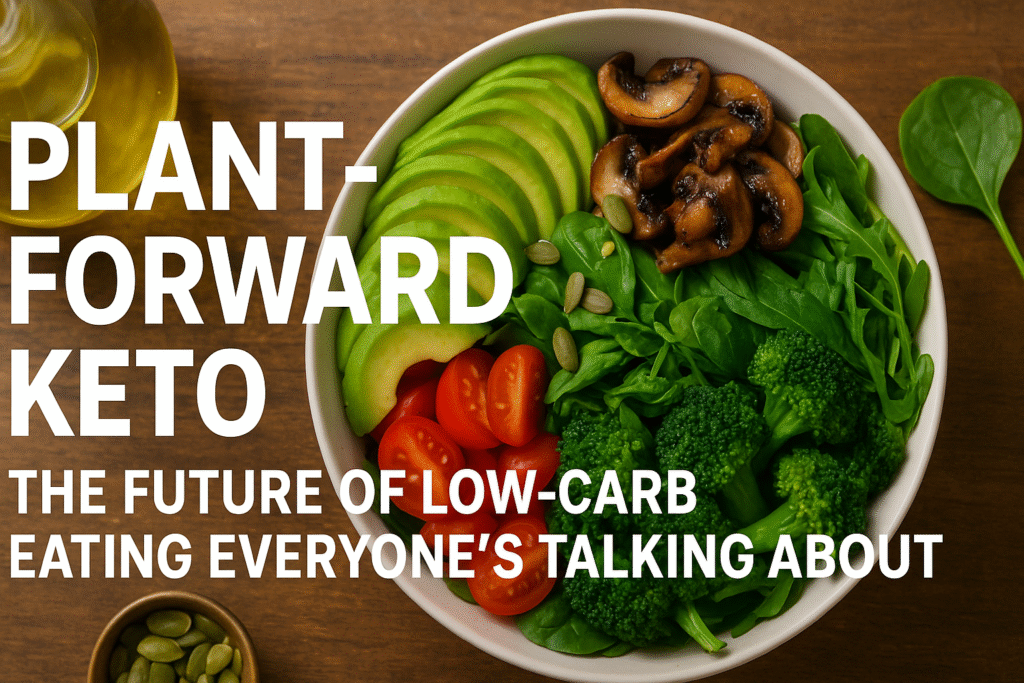
Within the dieting community, one diet has gained more attention than any other in the recent past; the ketogenic diet. Keto has been known to be very low fat, and has a high-fat style of weight loss, glycaemic control as well as alteration of metabolism in many people. However, traditional keto, too, has been criticized – both in its excessive meat and animal fats, and in its insufficient amount of plants and fibre.
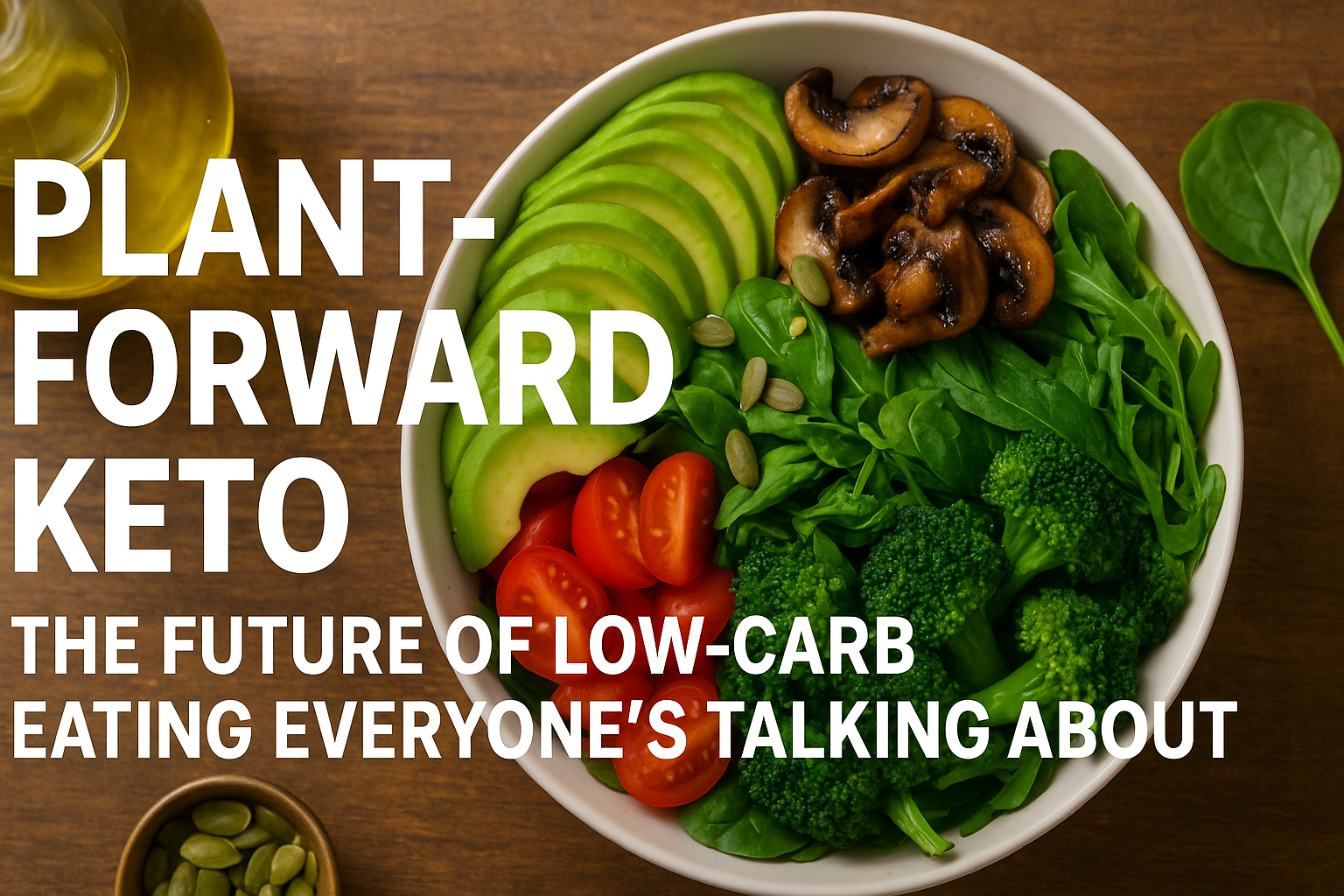
Plant-Forward Keto is the new low-carb, high-fat diet that puts plants in the centre of the plate and still offers the benefits that keto is known to provide. Today we shall learn about what plant-forward keto is, why it is gaining traction, its working principles, how it can be applied, sample meals, and the most important tips and considerations to make it a working and sustainable change.
What is Plant-Forward Keto?
In essence, the combination of metabolic concepts of keto (low carb, moderate protein, higher fat) with a deep focus on plant-based foods: vegetables, low-carb fruits, nuts, seeds, plant oils, and whole-food ingredients constitute the underlying philosophy of Plant-Forward Keto. It acknowledges the fact that you do not need to cram your plate with bacon and cheese to be in ketosis but instead it is possible to construct a menu that is largely plant-based and still maintain carbs low and fats high to enjoy the benefits that come with keto.
Plant-Forward Keto by Liz MacDowell is one of the most successful examples in this field, as it describes precisely that: keep plant foods as the main ingredient, introduce moderate amounts of animal protein into it when you feel like, and make the lifestyle more sustainable. (PenguinRandomhouse.com)
To the point: Plant-Forward Keto = keto philosophy + vegetarian consciousness.
What is the reason Plant-Forward Keto is Trending?
This variation is becoming popular in a number of reasons:
Health & sustainability consciousness. Much of the traditional keto diets concerns the long-term consequences of elevated saturated fat, and the environmental/ethical consequences of consuming a lot of meat. Plant-Forward Keto is a solution to that, by prioritizing plants.
Digestive health & fibre. The conventional keto may be low in fibre, due to an overdependence on meat, eggs, cheeses, butter. Plant-Forward Keto provides you with an opportunity to incorporate more low-carb vegetables and plant food with a higher amount of fibers.
Granting flexibility in hybrid diets. Individuals do not necessarily desire to make the switch to all-vegan or all-carnivore, or entirely meat-based keto. Plant-Forward Keto provides a compromise: it is possible to go plant-based with the freedom to consume small amounts of animal protein. This is stressed by MacDowell in his methodology. (Penguin Books Australia)
The contemporary low-carb diet. Due to the maturation of the low-carb movement, there are increasingly more layers to it: it is not just about avoiding carbs, but also enhancing the quality of nutrients, giving food a whole-plant-based emphasis, and making the diet sustainable in the long-term.
Recipe innovation. There are more exciting and delicious plant-based, low-carb meals than ever, thanks to the emergence of such cookbooks as Plant-Forward Keto and numerous blogs. Individuals are enthusiastic about the novel tastes, textures, and healthier trends.
How Does It Work? It’s true that not everyone can afford to be a vegetarian, but the principles behind this movement may convince people to adopt vegetarianism.<|human|>It is a fact that not everyone can afford to become a vegetarian, yet the concepts underpinning this movement can persuade people to turn into vegetarians.
We can examine the application of Plant-Forward Keto. The positive thing is that you do not really need to reinvent keto; you simply need to re-optimize it by adding more plants and reducing or minimizing intake of animal products (assuming you eat them at all). Here are the key principles:
Carbohydrate Limitation
You continue to keep the levels of carbohydrates low enough to induce or sustain ketosis (assuming you want to) or at least, decrease the level of glycaemic load by a substantial margin. That may be keeping within the 20-50 g net carb range per day or more moderately within the 50-100g range yet with low glycaemic index. It is a plant-forward take, which still provides you with those carbs, but not processed low-carb snacks.
Healthy Fats Emphasis
Fat is your primary energy source (in keto), but in the plant-forward one that you make you focus on plant-based fats: avocado, olive oil, coconut oil, nuts, seeds, nut butters, and olives, perhaps moderate dairy or egg fats, in case you include them. It is also more based on quality sources of fats instead of processed one based convenience snacks of the keto variety.
Protein — Moderate & Plant-Rich
Traditional keto usually focuses on moderate-to-high protein of animal origin, whereas Plant-Forward Keto implies that you can obtain a suitable amount of your protein in plants: low-carb in case possible, tofu/tempeh, seitan (assuming you do not react to gluten), and can also have animal protein option, but not the main part of each meal. Even in the book MacDowell has add on possibilities of animal protein so you can mix and match. (PenguinRandomhouse.com)
Plants are central
Your meals are now based on vegetables and low-carb fruits: leafy greens, cruciferous vegetables, zucchini, eggplant, peppers, mushrooms, and berries (in moderation) and so on. Instead of meat being the king, plants are the king and fats and proteins play second fiddle.
Flexibility and Sustainability.
This is not “all or nothing”. Plant-Forward Keto is also more sustainable in the long run, which is among its attractions. You are able to ease the transition, you are able to adjust ratios, and you can add a bit more carbs occasionally (carb cycling) or transition to a more moderate low-carb as opposed to strict keto. Actually, in MacDowell book she focuses on keto to moderate low-carb changes. (Penguin Books Australia)
Detailed Ideas of Sampling Meals and Structure.
The following are some of the real life examples you can use or modify on your recipe site:
Breakfast
Spinach and mushroom sauteed Avocado-chive scrambled tofu. Olive oil + nutritional yeast savoury.
Coconut milk chia- seed pudding topped with a small amount of raspberries and chopped pistachios (type amount of net carbs can be kept down by portioning the berries).
Green smoothie: kale and spinach and half avocado and unsweetened almond milk and a scoop and ice unsweetened vegan protein powder. Keep banana out, lightly use berries.
Lunch
Zucchini ribbons salad Zucchini noodles (cutting zucchini) with olive oil, lemon, chopped olives, roasted red pepper, toasted almonds, and as much or as little cheese sprinkling (feta, optional, or chickpeas, small amount) to add protein.
Cauliflower rice bowl: Sauteed cauliflower, broccoli florets, roasted red pepper, edamame, pumpkin seeds, drizzle of tahini- lemon sauce, as well as, baked tempeh strips.
Green salad: kale, arugula, red cabbage, cucumber, tomatoes on the stem, cherry (limited), avocado, hemp, a small vinaigrette made with light olive-oil, and maybe a bit of characteristic halloumi or some grilled chicken (deployed).
Dinner
Eggplant-mushroom skillet: sliced eggplant, mushrooms, garlic, cherry tomatoes (little amount), spinach and sprinkled with pine nuts and swirl of basil pesto (basil, olive oil, pine nuts, pecorino).
Stuffed peppers Stuffed bell pepper in half, stuffed with cauliflower rice, chopped walnuts, spinach, feta, olives, oregano, baked lightly. Accompanied by fries made of zucchini.
Vegetable curry: the sauce is coconut-based curry sauce (coconut milk, turmeric, cumin, coriander) with spinach, green beans, tofu cubes. Top cauliflower rice that is sauted.
Snacks & Treats
Celery sticks + almond butter.
Olives + roasted almonds.
500 gram of berries + Cream (or coconut cream).
Kale Crispy kale chips with nutritional yeast.
Muffin made of coconut flour using eggs or flax-egg, unsweetened cocoa, stevia/monk fruit.
Adapting to your Website and Audience.
As you have a recipe site and a Facebook page/group named 15 minutes Recipes the following are some of the suggestions on how to utilize this topic:
Videos on recipes in short format: Develop fast 5-10 minutes long plant-forward keto meals. E.g. 5 minutes zucchini noodle lunch low-carb or 10 minutes avocado breakfast bowl.
Angle of recipe ebook: You are planning an ebook so you have to have a part about Plant-Forward Keto. It can be called Plant-Forward Quick Low-Carb Meals and feature 10-15 recipes with 15 minutes of net carbs, fats, and commented with it.
Social media hook: Go with such headings as swap these 3 carbs with 3 plant based fats and stay in ketosis or How to eat more greens and less meat on keto (very shareable).
Educational posts: Author short posts with the explanation of the why behind the Plant-Forward Keto: Why I replaced more veggies with steak in my keto diet or 5 common mistakes in veggie-lite keto and how to correct them.
Interactive: A keto-friendly plant-based grocery list PDF that can be downloaded; or a meal-plan graphic that would have 15-minute preparation times every week.
Pros and The possible pitfalls.
Benefits
Increased nutrient-dense cuisine: More plants to provide more vitamins and minerals and fibre.
Isolated improved digestive health: Increment of fibre and vegetable variety may improve the gut health.
Potentially more sustainable: Personally (easy to keep), and environmentally.
Vegetarian-friendly since some people prefer not to consume meat / animal fat on a daily basis.
Promotes the idea of eating the whole food: less processed keto snack bars, more real food.
Challenges & Considerations
When eating more plant foods, it can be difficult to maintain a low carbohydrate intake: many plant foods contain higher carbs than the typical keto foods (butter, cheese, bacon, etc.). You will have to select low-carb vegetables, pay attention to the quantities of legumes/ beans, berries, etc.
Adequate intake of complete protein, in case you drastically decrease animal products. Plant proteins do not have to be so bioavailable or complete; you may have to have different sources or to take supplements.
The quality of fat is important: not everything is healthy only because it is vegetable, do not use a high amount of refined oils, processed vegan cheeses products, and so on.
The bodies of some individuals may react to increased intake of plant carb differing with an increased amount of carb although that intake may be low carb in general; the self-observation remains essential.
Habit and behaviour: In case you are accustomed to the traditional keto and meat and cheese, then you may have to change your mindset, recipes, shopping lists to plant-forward.
The Step by Step Guide to Starting.
It is as easy as four steps to follow in case you are new to Plant-Forward Keto (or would like to promote it to your audience):
Assess your current diet
Look at what you’re eating now. Are you extreme keto, i.e. meat/fat based? Do you eat a lot of vegetables already? How many carbs a day roughly? What are your macros?
Pick your target macros
Choose your net carb goal (eg. 20-50 g net carbs/day) and fat to protein ratio that you are comfortable with. Being plant-based, you could target slightly higher carbs (e.g. up to 50-70 g) in the case of possible metabolism or goal permissions, yet low in comparison with conventional diets.
Shift your plate structure
Rather than having meat 50-60 percent on your plate, strive to have vegetables and plant-foods 50-70 percent on your plate, fats 20-30 percent, and proteins (plant and optional animal) 20-30 percent. Or: large green salad and roasted vegetables and avocado/onions and a handful of nuts and optional grilled fish or tofu.
Choose your plant bases
Full of low-carb vegetables: eat them all: leafy greens, green, zucchini, cauliflower, broccoli, Brussels sprouts, eggplant, and mushrooms, peppers in moderate amounts, and asparagus, green beans. Include berries sparingly. In the case of plant fats/nuts/seeds; almonds, walnuts, chia seeds, flaxseed, hemp, avocado, and olives.
Select protein sources
In case you consume animal protein: fish, poultry, lean cuts will be okay – do not overdo it. Mostly plant: tofu, tempeh, seitan (as long as gluten is not an issue), legumes (in a smaller amount due to a higher amount of carbs). Add dairy/eggs, should you be able to implement them in your diet.
Use quality fats
Mathis Olive oil, avocado oil, coconut oil (sparingly), nuts/seeds, nut butter. Your processed low-carb cakes and bars, be they made with hidden carbs, should not be too numerous.
Plan meals ahead & prep
Plant-forward keto can be a new diet, that is why you should plan 1-2 meals in advance to have the right vegetables and fats ready. Apply your 15-minute strategy: prepare vegetables in advance, pre-mix some nut/seeds, pre-roast or pre-steam some vegetables.
Monitor how you feel & adjust
Monitor your mood (vitality, digestion, fullness), your weight in case of a goal (you can do it), your ketone level in case you are really in ketosis. Make carbs/fats adjustments in case of stagnation or lack of energy.
Introduce variety
Different vegetables, different fats, combine flavours (Mediterranean herbs, spices, Asian flavours). This makes the diet stress free and less boring.
Enjoy the flexibility
In case you wish to consume more carbs at times (such as a side of vegetables or a dessert of berries) you may combine carb-cycling or a moderate day of low-carbs. This is among the advantages of the plant-forward methodology – greater long-term flexibility.
Quick Description of Two-week Meal Plan.
The following is a simplified two-week plan (you would develop this in your book/recipe site): that focuses on 15 minutes or less meals, which would be in line with your brand name 15 Minutes Recipes.
Week 1
Morning meal: Scramble of Tofu-spinach and avocadoes.
Mon lunch: almond/feta Zucchini noodle salad.
Monday meal: Tempeh Cauliflower rice with roasted vegetables.
Tue breakfast Chia-coconut pudding and raspberries.
Tue lunch: Olive oil dressing, puppies, halloumi, big mixed-leaf salad.
eat dinner, stuffed peppers, cauliflower rice and walnuts.
Wed lunch: Avocado Wholegrain salad (black beans, avocado, white cabbage, almond, rice, spinach, kale, chia, garlic, lemon, olive oil)
by the Gigahara Farm.
Wed lunch Eggplant-mushroom skillet Side salad.
Dinner Note: wedding, since the wedding venue provides a meal, we do not eat on the event we simply savor it.
… and so on for other days.
Week 2
Quick breakfasts, vegetable-filled lunches, vegetable and plant fat-based dinners, moderate protein, low carbs are also similar.
Add snack food: nuts/olives, berry + coconut cream, kale chips, and so on.
You may create it as a downloadable PDF (this will be helpful to your audience) or distribute it as Week 1 PDF Week 2 PDF.
Macros Tracking (Teacher and Writer Tracker).
Because you are an ICT instructor and probably are aware of structured tracking, you may invite your readers to keep a simple spreadsheet or an app to track their macros:
Net carbs = total carbs- fibre. Target something such as 20-50g net carbs/day (vary depending on person).
Fat consumption: Sufficient to be satiated, per maybe -60-70% of calories (stricter keto) or half (moderate).
Protein: Moderate- sufficient to repair muscle, satiate but not excessive that gluconeogenesis occurs and blood sugar levels increase substantially. To most people, it is all the same when the consumption of g protein is about 1.2-2.0 g protein per kg of ideal body weight but make concessions on the source of plant or animal-based foods.
Additionally promote the monitoring of more than only calories/macros but quality: How many kinds of vegetables? How many colours on plate? Fibre grams?
This is quite close to your teaching style, and you might even design a basic template of an Excel / Google sheets spreadsheet and make it available as free download on your site.
Connecting with Your audience and Your Objectives.
As you are located in Abu Dhabi and are developing the content targeted at recipe-lovers, the following are culturally/adaptively relevant touches:
Take local ingredients: e.g. zucchini, eggplant, labneh (unless you are not supposed to consume dairy), halloumi, chickpea flour (in small amounts), olives, dates (not too many).
To taste the flavour of the Middle East: Za’atar-roasted cauliflower, cucumber and mint salad, extra-virgin olive oil babaganoush, roasted nuts.
Food recipes that can be prepared within 15 minutes: “Roasted harissa cauliflower and avocado salad in 15 minutes” and “Keto-style tabbouleh made with cauliflower rice only 15 minutes to make a meal.
Shop local produce: emphasize fresh produce at Abu Dhabi markets and creative alternatives to common high-carb ingredients (e.g. rice with cauliflower rice or ribbons of zucchini).
Additionally, you have such a large following (targeting millions of followers) and have a nephew who is 5 (and you are a teacher in lower grades) so that you could even think of kid-friendly plant-based keto snacks/recipes. An example: vegetarian pizza on cauliflower crust, fries made of zucchini, nut-butter celery sticks and so on. In that manner you can increase your programming to families and children as well.
The Major Follies to Steer Clear of and the Myths to Bust.
In my case with Plant-Forward Keto I would like to mention some mistakes and myths that should be taken into consideration (to prevent mistakes among your readers):
True fact of the matter: Plant-based is always high in carb. Vegetarian/vegan keto is possible, though you have to choose vegetables that are low in carbohydrates, moderate legumes, and regulate quantities.
Error: “The more one is fat, the more keto advantages. Not necessarily. The fuel is fat, however, of better quality. Consumption of processed keto bars or excess refined oil will defeat health objectives.
Citation: You have to eat as much meat as possible to remain in keto. False – the plant-based diet demonstrates that it is possible to put plants in the centre of the meal and add moderate quantities of animal protein.
Error: The disregard of micronutrients. Classical keto does not pay much attention to fibre, antioxidants, phytonutrients. Plant-forward assists in rectifying that.
Myth: “Keto is a weight loss diet.” Keto is used by many people to be metabolically healthy, to control glucose, and to keep their minds healthy. The animal-free spin also comes with extra advantages of plant compounds.
Mistake: One-size-fits-all. Response is always different as with any diet. Be conscious of your body, energy and digestion and make changes.
Final Reflections: Why You Need to Try Plant-Forward Keto.
In conclusion, the best reasons to go to Plant-Forward Keto are as follows:
It provides the metabolism of keto (low carb, high fat, possible ketosis) and enhances the quality of your diet with plants.
It is more sustainable to most individuals, it is less-meat-heavy, has more variety, and is easier to sustain.
It follows current nutritionism ideology: whole food, plant-based, improved fibre, improved gut health.
It will work well with your brand of fast food and hacks on recipes (since plant-forward food can be quick, fresh and colorful).
It targets a very broad audience: individuals who already follow keto, low-carb; individuals who follow a plant-based diet but need keto perks; families and busy workers.